Fertility Acupuncture in Houston: Complete Guide to Natural Pregnancy Support
Data from the Centers for Disease Control and Prevention (CDC) says that about 19.4% of married women aged 15 to 49 with no prior births suffer from infertility. Like other cities in the US, a notable number of women in Houston struggle with infertility issues.
Pregnancy has been a big challenge for many women due to several factors including modern lifestyles, delayed family planning, underlying health issues, etc. Along with the rising infertility concerns, there’s still a spark of hope. Many women show their interest in acupuncture as a complementary fertility option. It is increasingly used to support pregnancy, either naturally or with treatments like IVF.
Would you like to know more about fertility acupuncture? We share a guide below so you get clear ideas on its process, effectiveness, required sessions and more.
What is Fertility Acupuncture?
It is a natural method to optimize a woman’s chance to get and stay pregnant. Fertility acupuncture is often used alongside treatments like IVF and IUI to improve outcomes.
This traditional Chinese treatment takes in inserting very fine needles at specific points on the body. As a result, the blood flow to the uterus enhances, the patient’s hormones get balanced, and their stress reduces. All of them are linked to successful conception and pregnancy.
In a study in 2023, it is found that acupuncture may improve IVF outcomes, with some reporting increases in clinical pregnancy rates of around 30–33%.
How Acupuncture Supports Fertility in Women
Since fertility depends on balanced hormones, healthy blood flow, and regular ovulation, acupuncture helps women with these as below:
Hormonal Regulation and the HPO Axis
According to the medical angle, women's fertility depends on the active communication within the hypothalamic–pituitary–ovarian axis, also called HPO axis. The connection must be smooth and steady where acupuncture can support. It encourages regular ovulation and balanced hormones to restore inner harmony and assist reproductive health and cycle.
Improved Blood Flow to Reproductive Organs
For egg growth and proper implantation, the ovaries and uterus necessitate healthy blood circulation. This needling therapy influences the blood flow and delivers nutrients to reproductive tissues. It makes the uterine lining active and creates the environment and chances of successful implantation.
Stress Reduction and Nervous System Balance
Stress increases cortisol and disturbing hormones which interfere with fertility among women. Fortunately, Acupuncture soothes the nervous system, takes down stress and restores equilibrium. That's how a welcoming setting is created that influences conception and a healthy pregnancy.
How Effective Is Acupuncture for Female Infertility?
Studies find that acupuncture is an excellent supportive therapy rather than primary medical treatment. It can improve fertility in women, however research found mixed results and the effectiveness depends on the application methods.
What Research Says:
Studies from multiple trials show that acupuncture can make a real difference in fertility. When combined with IVF, one study found a 32% increase in clinical pregnancy rates. Another showed better outcomes overall (RR ≈ 1.31) compared to no treatment.
Some studies even reported pregnancy rates rising by as much as 84% compared to those who didn’t receive acupuncture.
Comparison with Other Fertility Treatments:
Unlike In Vitro Fertilization (IVF), Acupuncture alone can be notably ineffective. However, studies and evidence show that this treatment can improve blood flow, reduce stress, and support hormonal balance that enhance the IVF results.
The bottom line is that Acupuncture is not a replacement for modern medical fertility treatments. However, it can improve overall reproductive health and increase pregnancy chances by supporting overall wellness.
What to Expect in a Fertility Acupuncture Session
If any nearby acupuncture clinic in Houston, you will go through a similar experience. Each session focuses on relaxation, stimulating specific points and reproductive health support. Here is what a session look like:
Getting Ready
An acupuncturist prepares the treatment areas as the first step. The preparation stage includes cleaning needling points gently, making a calm environment, etc. They also request you to lie on your back or stomach depending on your required treatment. The professionals ensure that your body relaxes completely and it responds to the treatment.
Needle Placement and Sensation
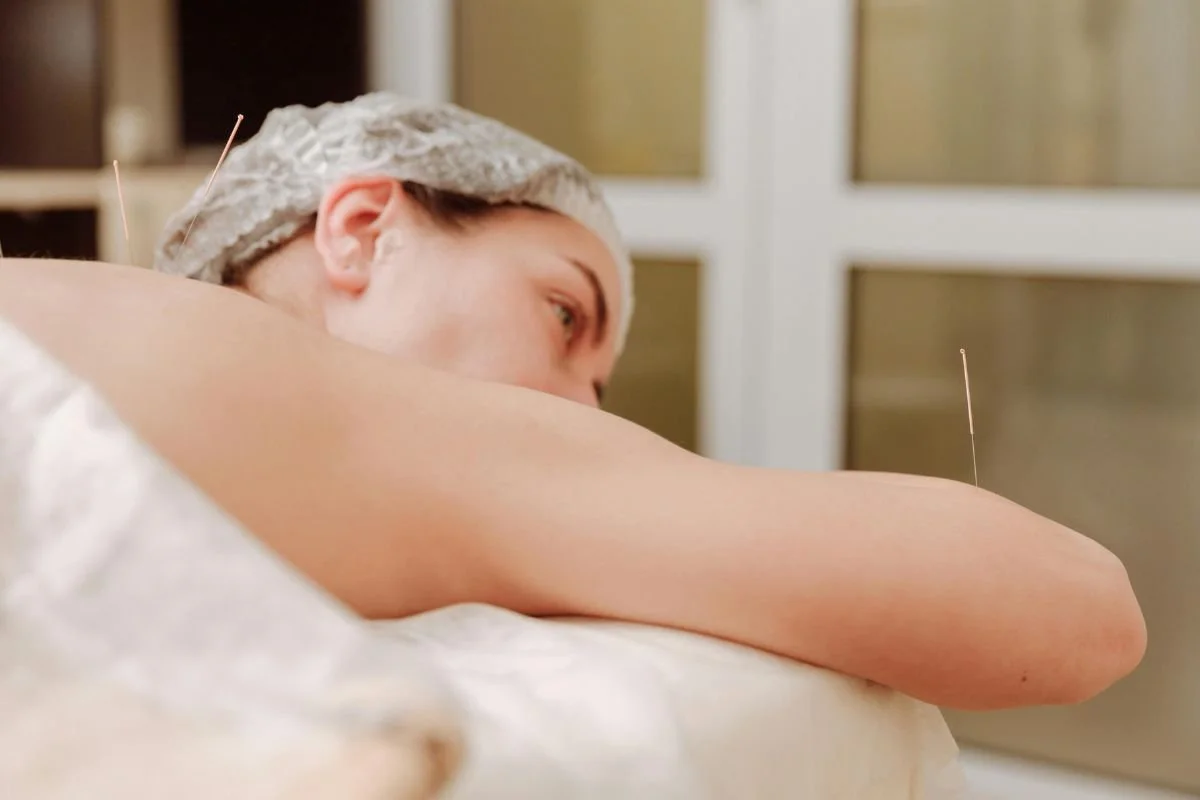
This one is the major step where an acupuncturist uses find needles to insert certain points that are linked to fertility. Some may feel a light tingling sensation which the body adjusts fast, but most feel no pain at all.
For reproductive health and fertility, certain acupuncture points are commonly used, including:
CV4 (Lower abdomen): The point is linked to nourishing the uterus and boosting fertility.
SP6 (Inner leg): It regulates menstrual cycles.
ST36 (Below the knee): This one supports overall energy and immunity.
LI4 (Hands): They are commonly used to reduce stress and tension.
Deep Relaxation Phase
People go to this phase automatically when the needle placement is complete. The duration of such deep relaxation varies between 20-40 minutes. Many patients enjoy the deep calmness, even some of them fall asleep lightly. This relaxation stage assists in hormone balance and proper circulation.
Finishing and After-Effects
When the session ends, the acupuncturist removes those needles gently. The after-effect of the treatment varies based on the patient's physical and mental conditions. Some feel refreshed and calm immediately, and others report better physical energy and subtle emotional release. Whatever the feeling is, the improved well-being supports the overall fertility treatment.
How Often Should You Schedule Fertility Acupuncture Sessions?
There is no fixed frequency of such sessions because each has different needs. Your acupuncture sessions depend on the fertility goals, present reproductive health and more. Also note that acupuncture for fertility is a gradual process, not a quick fix.
In general, acupuncturists suggest sessions like followings:
1 to 2 sessions per week for steady hormonal and cycle support.
More frequent sessions if preparing for IVF or IUI within 30 days.
At least 12 sessions, as research shows this is where benefits become more noticeable.
3 to 4 months of treatment before trying to conceive for best results.
12 to 24 total sessions as a full course of fertility acupuncture.
Are There Any Risks with Fertility Acupuncture?
Most acupuncturists in Houston are highly trained and certified. If the therapy is performed under a qualified one, it is entirely safe. Most people experience little to no side effects. In some case, some can experience temporary complications which are common and safe:
Mild tenderness: It may occur at needle insertion points, but they fade within a few hours after treatment.
Slight bruising: You may notice them in sensitive areas, but it is temporary and resolves without any intervention.
Occasional lightheadedness: Common among some patients if they are anxious, hungry, or sensitive during their first few sessions.
Minor spotting or sensitivity: It is uncommon but not usually a concern.
Rare fatigue: This can happen as the body relaxes.
How to Choose the Right Fertility Acupuncturist
In Houston, you will notice dozens of acupuncture clinics nearby. But remember that all acupuncturists are not specialized in reproductive health. You must be more careful when choosing one if your goal is natural pregnancy support.
An acupuncturist with experience in fertility care clearly understands hormonal balance, menstrual health, etc. Depending on your present conditions, they plan how to support the body before and during pregnancy.
For the best outcome, you need to contact an acupuncturist with relevant certifications, licensing, and experience working with patients trying to conceive. Specialized clinics like Balance Houston collaborates with medical professionals and have experience supporting treatments like IVF and IUI.
In case of fertility acupuncture, comfort and clear communication are crucial factors that you must prioritize. So, choose an acupuncturist who will take time to understand your health history and plan personalized care for your fertility.
Wrapping up
Finally, the big question arises about how effective this Chinese natural treatment is to enhance fertility and pregnancy support. The truth is that fertility acupuncture works fine as a supportive care to improve the chance of pregnancy. If it's combined with modern medical care, the result can be outstanding.
Acupuncture can be a valuable addition to your fertility plan. However, we suggest starting early and staying consistent to make a meaningful difference over time. Along with this popular treatment, maintaining healthy lifestyle choices will boost the result for sure.
Frequently Asked Questions
Can fertility acupuncture help with unexplained infertility?
Yes, it does. It ensures overall wellness, which can be helpful in unexplained infertility cases.
Does fertility acupuncture improve egg quality?
The treatment is well-known for supporting better egg quality. Acupuncture enhances blood flow to the ovaries and promotes a balanced hormonal environment over consistent treatment sessions.
Can acupuncture support implantation after ovulation?
It improves uterine lining quality and reduces stress. Thus, it creates a more supportive environment for successful embryo implantation.
Can lifestyle habits affect acupuncture results?
Yes. Your diet, sleep, stress levels, and exercise can influence results. Acupuncturists encourage combining healthy habits with acupuncture can improve overall fertility outcomes.
