Best Acupuncture Protocols During IVF Cycle: A Complete Guide to Timing and Treatment
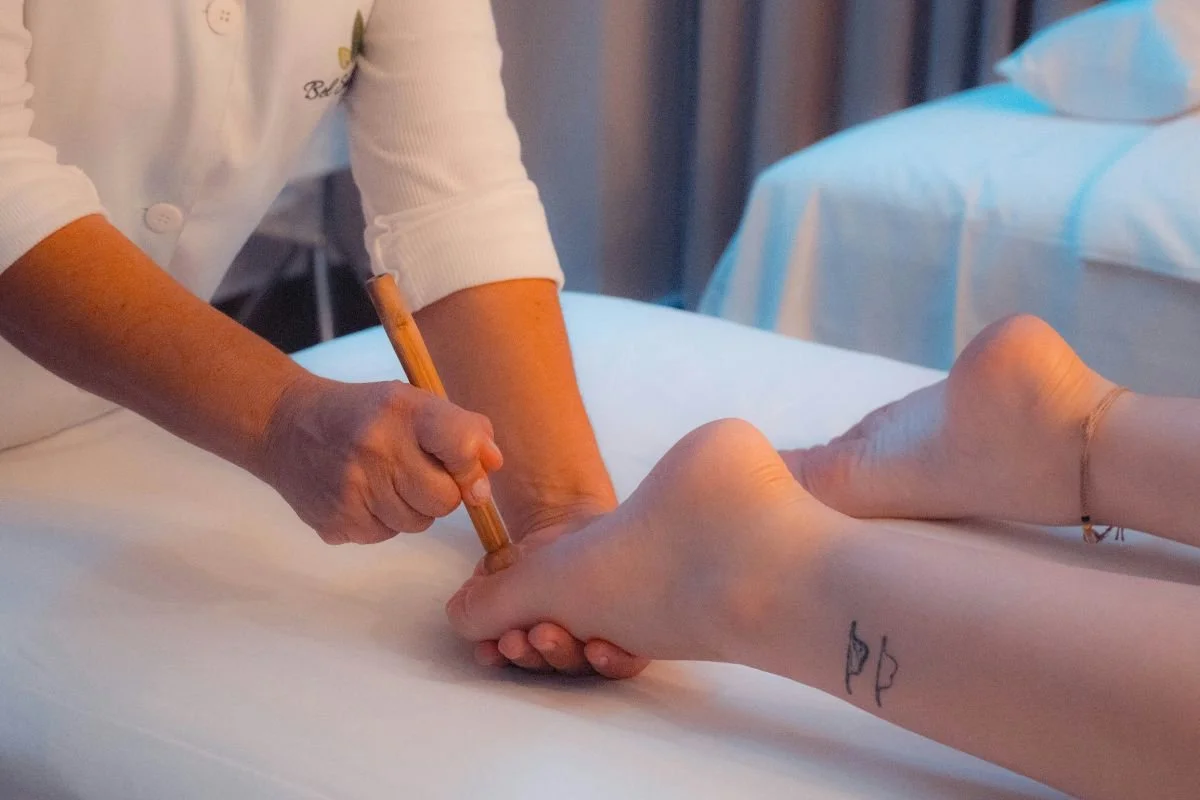
Acupuncture has gained popularity as a complementary treatment for IVF. The success rate of acupuncture is 45-50% for women aged 24-34 and around 13% for women aged 40.
However, the success largely depends on acupuncture protocols such as pre, during and after IVF acupuncture activities.
Read this guide and learn the best acupuncture protocols during the IVF cycle.
What are the Best Acupuncture Protocols During IVF Cycle?
Acupuncture protocols during the IVF cycle include following the timeline before starting the cycles, doing a complete health assessment and many more.
If you have not been having consistent acupuncture treatments and are seeking acupuncture solely for embryo transfer, Balance Houston is here to help you. We follow the best protocols to maximize the result for couples.
Acupuncture Basic Protocol
Acupuncture works around the idea of Qi, pronounced “chee.” In traditional acupuncture, Qi refers to the vital energy that moves through the body along pathways called meridians.
An imbalance or blockage in this energy is believed to affect the body in different ways. Acupuncture uses specific points on the body to help restore this balance.
During treatment, an acupuncturist places very thin, sterile needles into selected points based on the patient's condition.
The needles usually stay in place for 20–30 minutes. During this time, the patient can lie down and relax.
Most people do not feel strong pain from the needles. A mild tingling feeling or dull ache is more common.
Acupuncture Timing Protocol
The timing of acupuncture plays a vital role in the IVF cycle. Acupuncture sessions have 2 key phases: pre-IVF sessions and during the IVF cycle.
Here is the detail of the key sessions for your easy understanding,
Pre-IVF Acupuncture Sessions
Before starting IVF, several acupuncture sessions may help prepare your body for treatment. These sessions usually begin 3 to 6 months before the IVF cycle.
The main goal is to improve overall fertility health, manage stress, and address health concerns that may affect the IVF process.
1. Start acupuncture 3–6 months before IVF: This gives your body enough time to respond to treatment and allows the acupuncturist to address underlying concerns.
2. Complete a health assessment: Your acupuncturist should review your overall health, diet, lifestyle, menstrual cycle, and emotional well-being before creating your treatment plan.
3. Address underlying health conditions: Existing fertility or health issues should be identified and managed before starting the IVF cycle.
4. Support egg and sperm quality: Acupuncture sessions may focus on improving reproductive health and supporting better egg and sperm quality before IVF.
5. Manage stress and anxiety: Stress can affect your overall well-being during fertility treatment. Acupuncture may help your body relax and manage stress levels.
6. Support menstrual cycle regulation: Acupuncture may focus on hormone balance and regular ovulation, depending on your individual fertility needs.
7. Follow a personalized treatment plan: Every patient responds differently. Your acupuncturist should adjust the treatment based on your health, IVF plan, and response to previous sessions.
8. Maintain healthy lifestyle habits: A balanced diet, proper sleep, regular movement, and healthy daily habits can support your preparation for IVF.
These sessions are mainly focused on preparing your body before ovarian stimulation begins. Your fertility specialist and acupuncturist can decide how often you should receive treatment based on your individual needs.
Acupuncture During IVF Cycles
Acupuncture can be included at different stages of the IVF cycle to support the treatment process. The timing of each session depends on the stage of IVF and the patient's needs.
1. Baseline Acupuncture: This session is done before starting stimulation medication. The main goal is to prepare the body for upcoming hormonal changes and create a good foundation for the IVF cycle.
2. Pre-Retrieval Acupuncture: This session is usually scheduled 1–2 days before egg retrieval. It helps the patient relax, reduce discomfort, and manage anxiety or tension before the procedure.
3. Pre-Embryo Transfer Acupuncture: This treatment is given shortly before embryo transfer. It focuses on relaxation and improving blood flow to the uterus, which may support successful embryo implantation.
4. Post-Embryo Transfer Acupuncture: This session is usually performed immediately after embryo transfer. It focuses on supporting implantation, reducing stress, and helping the body and mind stay relaxed during this important stage.
What are the Acupuncture Points to Maximize the Fertility Result?
There are several acupuncture points which will maximize the fertility result for both men and women. The points are,
Spleen 6: You will find this location inside the lower leg. It is a 3-finger width located above the bone of the ankle. When the acupuncture thin needles are placed here, your blood will nourish and the uterus will get stronger than before.
Renal 3: This point is located inside the ankle, in between the bone of the ankle and Achilles tendon. Your reproductive system will become strong and the kidney Qi will tonify when acupuncture needles are placed in this point.
Conception Vessel 4: Located on the inner forearm, about three finger-widths above the wrist crease. This point may help reduce anxiety, ease nausea, and encourage relaxation.
FAQ
How long does an acupuncture session last?
The average duration for an acupuncture session is 30-60 minutes. But the time may change based on the specific needs, health condition of the patient and treatment plan.
How often should you have acupuncture?
Regular acupuncture sessions are recommended to get the optimal results.
Weekly sessions duration is generally several months before the IVF cycle
Frequent session is required during the IVF cycle
However, it would always be best to discuss with your acupuncturist to decide the session duration.
Wrapping Up
Although acupuncture is safe, you must follow the best protocols during the IVF cycle. Otherwise, you will not get the expected results.
If you face side-effects, consult with your acupuncturist. You can control a few side-effects by following the above-mentioned protocols.